
Embark on the journey of onboarding your entire team onto the Trip Action Platform, a pivotal step towards streamlining your travel management processes and enhancing efficiency. As we delve into the intricacies of this onboarding process, you'll uncover key insights and strategies to ensure a seamless transition for your team.
Exploring the significance of centralized platforms for travel management and aligning onboarding goals with company objectives sets the stage for a transformative experience.
Introduction to Trip Action Platform Onboarding
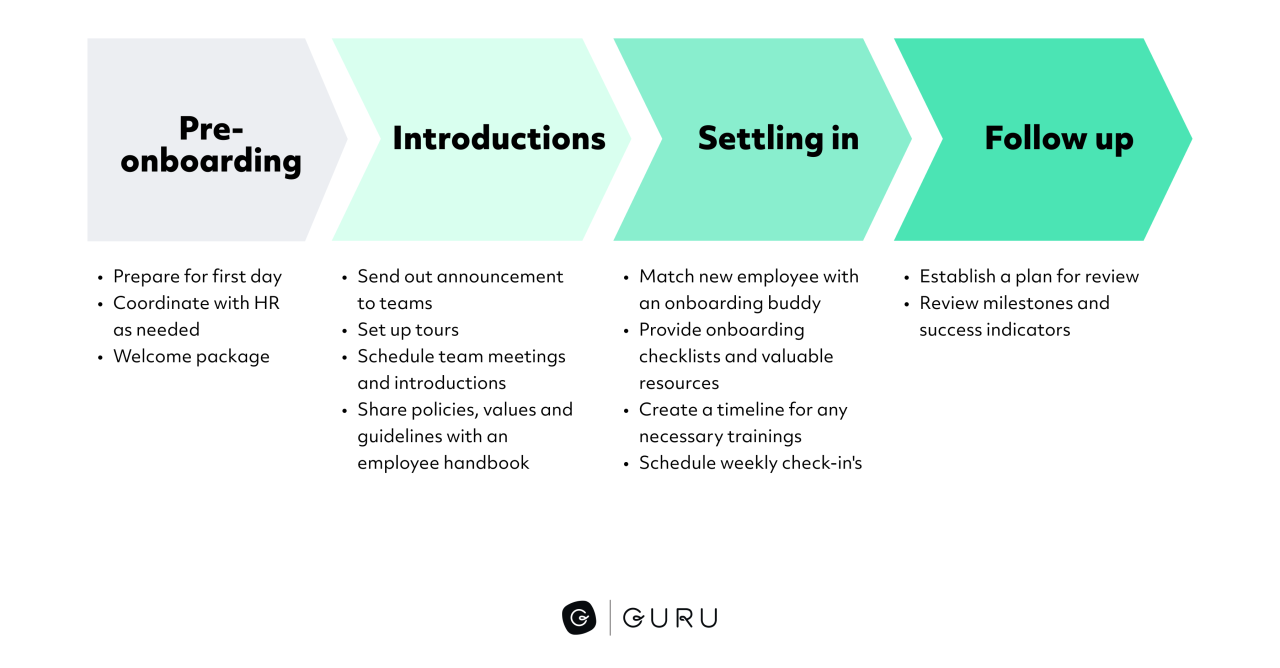
Onboarding the entire team onto the Trip Action Platform is crucial for streamlining travel management within the company. By ensuring that all team members are familiar with and utilizing this centralized platform, businesses can achieve greater efficiency, cost savings, and improved traveler experience.
The Importance of Onboarding
Centralizing travel management through the Trip Action Platform allows for easy booking, expense tracking, and policy compliance. This not only simplifies the process for individual employees but also provides comprehensive data and insights for the company to optimize travel expenses and policies.
Benefits of Using a Centralized Platform
- Efficiency: Streamlining the travel booking process and expense management.
- Cost Savings: Negotiating better rates, tracking expenses, and avoiding unnecessary expenditures.
- Improved Traveler Experience: Providing a user-friendly platform for booking, itinerary management, and support.
Goals of the Onboarding Process
- Ensure all team members are proficient in using the Trip Action Platform.
- Promote compliance with company travel policies and procedures.
- Optimize travel management practices to align with company objectives and financial goals.
Planning the Onboarding Process
Effective planning is crucial when onboarding your entire team onto the Trip Action platform. By identifying key stakeholders, designing a timeline, and implementing communication strategies, you can ensure a smooth transition for everyone involved.Identify Key Stakeholders
- HR Department: They play a vital role in managing the onboarding process and ensuring all employees are properly trained on the platform.
- IT Department: They are responsible for technical support and ensuring the platform integrates smoothly with existing systems.
- Team Leaders: They act as liaisons between upper management and team members, providing guidance and support during the onboarding process.
Design a Timeline
- Begin by setting clear milestones and deadlines for each phase of the onboarding process.
- Allocate time for training sessions, testing the platform, and addressing any issues that may arise.
- Regularly communicate progress updates to keep everyone informed and on track.
Strategies for Effective Communication
- Utilize multiple communication channels such as email, team meetings, and one-on-one sessions to ensure information is disseminated effectively.
- Provide detailed instructions and resources to help team members familiarize themselves with the platform.
- Encourage open communication and feedback to address any concerns or questions that may arise during the onboarding process.
Training and Education
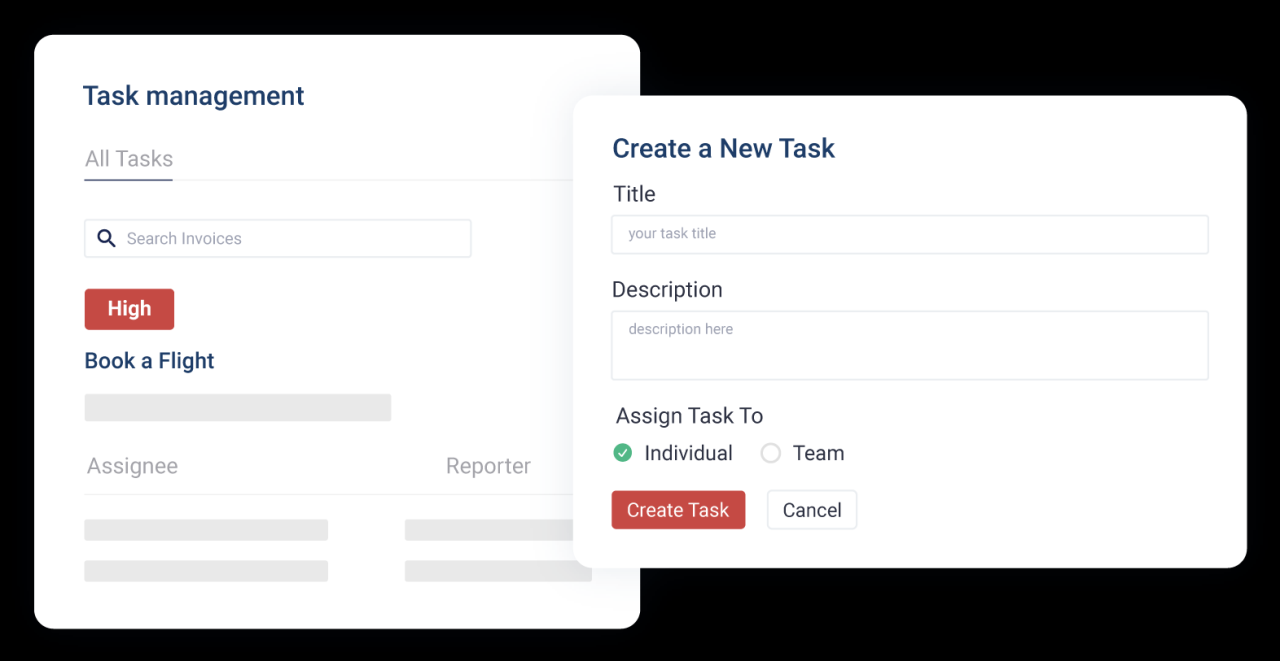 Training and education play a crucial role in successfully onboarding your team onto the Trip Action Platform. By providing tailored training materials and hands-on sessions, you can ensure that every team member is equipped to maximize the platform's utilization.
Developing Training Materials
Creating training materials tailored to different roles within the team is essential for effective onboarding. These materials should be specific to each team member's responsibilities and highlight how the Trip Action Platform can streamline their tasks and improve efficiency.- Design role-specific guides and tutorials that address the unique needs of each team member.
- Incorporate real-life scenarios and examples to make the training materials more relatable and engaging.
- Include step-by-step instructions and best practices to help team members navigate the platform effectively.
Hands-On Training Sessions
Hands-on training sessions are a valuable way to ensure that team members can confidently use the Trip Action Platform in their day-to-day tasks. These sessions provide practical experience and allow team members to ask questions and receive immediate feedback.- Conduct interactive workshops where team members can practice using the platform in a simulated environment.
- Assign tasks and challenges to encourage active participation and problem-solving skills.
- Provide one-on-one support and guidance during the training sessions to address individual learning needs.
Importance of Continuous Education
Continuous education is key to maximizing platform utilization and ensuring that team members stay updated on new features and functionalities. By offering ongoing training opportunities, you can empower your team to make the most of the Trip Action Platform and continuously improve their skills.- Encourage team members to attend refresher courses and advanced training sessions to deepen their knowledge and expertise.
- Promote a culture of learning within the team by recognizing and rewarding employees who actively engage in educational opportunities.
- Regularly communicate updates and tips on using the platform to keep team members informed and motivated.
Troubleshooting and Support
Effective troubleshooting and support are essential components of successfully onboarding your entire team onto the Trip Action Platform. By creating a system to address common issues and challenges, providing access to a support team or helpdesk, and implementing proactive troubleshooting strategies, you can minimize disruptions and ensure a smooth transition for your team members.Establishing a Support System
Having a dedicated support team or helpdesk in place is crucial for addressing any technical or operational issues that may arise during the onboarding process. This team should be easily accessible to team members and equipped to provide timely assistance and guidance.- Ensure that team members know how to reach the support team, whether through email, phone, or a dedicated chat platform.
- Provide clear guidelines on the types of issues that should be escalated to the support team and the expected response times for resolution.
- Regularly communicate with the support team to gather feedback on common issues and identify areas for improvement in the onboarding process.
Proactive Troubleshooting Techniques
Proactive troubleshooting involves anticipating potential issues before they occur and taking steps to prevent or mitigate them. By implementing the following tips, you can minimize disruptions and streamline the onboarding process for your team.- Provide comprehensive training and resources to team members to address common questions and issues proactively.
- Encourage team members to ask questions and seek help early on to prevent small issues from escalating into larger problems.
- Regularly check in with team members to gauge their progress and address any concerns or challenges they may be facing.
- Create a knowledge base or FAQ section where team members can find answers to common questions and troubleshooting tips.
Concluding Remarks
In conclusion, successfully onboarding your entire team onto the Trip Action Platform is not just about adopting a new tool—it's about fostering a culture of collaboration, efficiency, and growth within your organization. By following the Artikeld strategies and staying committed to ongoing education, you're not just embracing change, you're paving the way for a more streamlined and productive future.
FAQs
How do I identify key stakeholders for the onboarding process?
Key stakeholders for the onboarding process are typically department heads, team leaders, IT personnel, and HR representatives who are directly involved in the implementation and utilization of the Trip Action Platform.
What are some effective strategies for proactive troubleshooting during onboarding?
Setting up a dedicated support channel, providing detailed troubleshooting guides, and conducting regular check-ins with the team can help in proactively addressing and resolving issues during the onboarding process.
Why is continuous education important for maximizing platform utilization?
Continuous education ensures that team members stay updated on new features, best practices, and shortcuts within the Trip Action Platform, allowing them to leverage its full potential for efficient travel management.