
Delve into the world of corporate travel automation with a focus on streamlining approvals and itineraries. This guide is designed to provide valuable insights and practical tips for businesses looking to enhance their travel management processes.
Explore the key aspects of automating corporate travel approvals and itineraries, from understanding the importance to overcoming common challenges faced by companies.
Introduction to Corporate Travel Automation
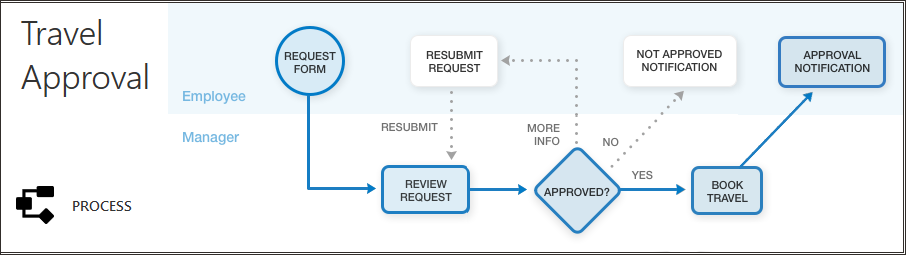
In today's fast-paced business environment, automating corporate travel approvals and itineraries has become essential for companies looking to streamline their operations and save time and resources.
Automating the process of managing travel arrangements offers a wide range of benefits for businesses, including:
Efficiency and Cost Savings
- Automation eliminates manual data entry and reduces the risk of errors, leading to faster approval processes and cost savings in the long run.
- Automated systems can compare prices across different vendors, ensuring companies get the best deals on flights, accommodation, and other travel expenses.
Compliance and Policy Adherence
- Automated systems can enforce company travel policies, ensuring employees adhere to guidelines and regulations when booking their travel arrangements.
- By automating approvals, companies can maintain compliance with internal policies and external regulations, reducing the risk of non-compliance issues.
Improved Visibility and Reporting
- Automated systems provide real-time visibility into travel expenses and approvals, allowing companies to track spending, analyze trends, and generate comprehensive reports for better decision-making.
- With automated reporting features, companies can easily identify areas for cost optimization and make informed decisions to improve their travel management processes.
Despite the clear benefits of automating corporate travel, many companies still face challenges when managing travel arrangements manually, such as:
- Delays in approval processes due to manual routing and processing of travel requests.
- Inaccurate data entry leading to errors in bookings and expenses.
- Lack of visibility into travel expenses and compliance issues.
- Difficulty in tracking and analyzing travel data for budgeting and decision-making purposes.
Implementing Automated Approval Systems
Automating the travel approval process in corporate settings can streamline operations and improve efficiency. There are various software solutions available to facilitate automated approval workflows, each offering unique features and benefits.
Different Software Solutions for Automated Approval
- One popular option is SAP Concur, which provides a comprehensive travel management platform that includes automated approval processes.
- Another contender is TripActions, offering a user-friendly interface and customizable approval workflows to meet specific company requirements.
- Additionally, Expensify integrates travel approval features with expense management, ensuring a seamless process from booking to reimbursement.
Comparing Features of Automated Approval Tools
- SAP Concur offers integration with various booking platforms and real-time policy enforcement to ensure compliance.
- TripActions provides AI-driven insights and recommendations to optimize travel spend and enhance traveler experience.
- Expensify stands out for its receipt scanning capabilities and automatic expense report generation, simplifying the approval process.
Successful Implementation of Automated Approval Systems
Companies like Google and Amazon have successfully implemented automated approval systems to manage their corporate travel efficiently.
Google uses a custom-built system that integrates with their internal travel portal, automating approval based on predefined criteria and budget limits.
Amazon utilizes a cloud-based travel management platform that streamlines approval workflows and provides real-time visibility into travel expenses.
Streamlining Itinerary Management
Automating itinerary creation and management is crucial for optimizing corporate travel efficiency. By leveraging AI and machine learning technologies, companies can streamline the process and enhance the overall travel experience for employeesAutomating Itinerary Creation
- Utilize AI-powered tools to analyze travel preferences, past itineraries, and real-time data to generate personalized travel plans.
- Automatically sync booking confirmations, flight details, hotel reservations, and other travel information into a centralized itinerary platform.
- Enable employees to make changes or updates to their itineraries seamlessly through a user-friendly interface.
Role of AI and Machine Learning
- AI algorithms can predict potential disruptions in travel plans and suggest alternative routes or accommodations in advance.
- Machine learning can analyze historical travel data to optimize future itineraries based on cost-efficiency, time savings, and employee preferences.
- Automated itinerary management systems can learn from user feedback and behavior to continually improve travel recommendations.
Integrating Itinerary Management Tools
- Ensure seamless integration with existing corporate systems such as HR databases, expense management platforms, and communication tools.
- Establish data-sharing protocols to maintain privacy and security while enabling real-time updates and notifications for itinerary changes.
- Create customizable dashboards for managers to oversee multiple itineraries and ensure compliance with company travel policies.
Ensuring Policy Compliance
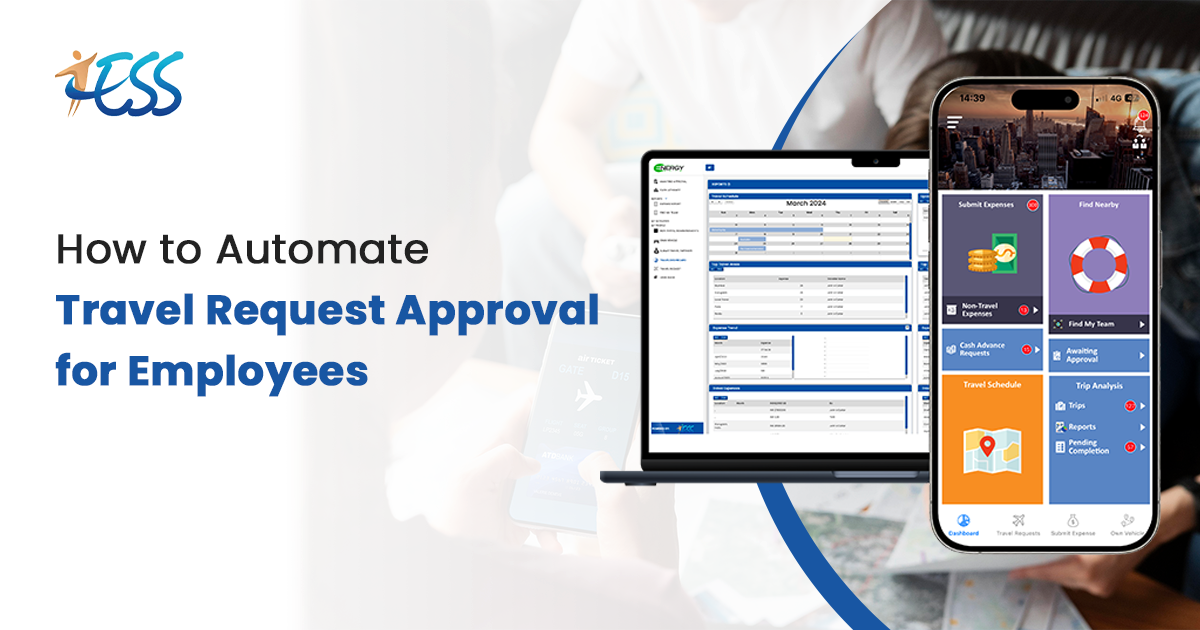
When automating corporate travel approvals, it is crucial to ensure that the process aligns with company policies to maintain consistency and compliance. Compliance monitoring plays a significant role in corporate travel automation, helping to uphold standards and regulations set by the organization. Implementing mechanisms to enforce policies within automated approval systems is essential for a smooth and efficient workflow.
Strategies for Ensuring Policy Compliance
- Establish clear guidelines: Clearly define travel policies and approval processes to ensure that employees understand the requirements and expectations.
- Automated policy checks: Integrate policy checks within the approval system to validate requests against company policies automatically.
- Approval hierarchy: Implement a structured approval hierarchy that aligns with the organizational structure to ensure appropriate authorization levels.
Importance of Compliance Monitoring
Compliance monitoring in corporate travel automation is essential to prevent policy violations, reduce risks, and maintain corporate governance. By monitoring compliance, organizations can identify any deviations from policies and take corrective actions promptly.
Examples of Policy Enforcement Mechanisms
- Automated alerts: Set up automated alerts for policy violations or exceptions to notify relevant parties for immediate action.
- Approval thresholds: Define thresholds for approvals based on policy requirements, triggering additional reviews for requests that exceed the limits.
- Policy acknowledgement: Require employees to acknowledge and confirm their understanding of the policies before submitting travel requests.
End of Discussion
In conclusion, automating corporate travel approvals and itineraries is a crucial step towards improving efficiency and compliance within businesses. By leveraging the right tools and strategies, companies can optimize their travel management processes and enhance overall productivity.
Helpful Answers
How can automated approval systems benefit businesses?
Automated approval systems help businesses save time, reduce errors, and ensure compliance with company policies, leading to improved efficiency and cost savings.
What role does AI play in optimizing travel itineraries?
AI can analyze data to suggest personalized travel itineraries, optimize routes, and recommend cost-effective options, enhancing the overall travel experience for employees.
How can companies ensure policy compliance with automated travel approvals?
Companies can enforce policy compliance by setting up approval workflows that align with company policies, providing clear guidelines, and implementing monitoring mechanisms to track adherence.