
Embark on the journey of setting up a corporate travel budget that truly delivers results. Dive into the intricacies of budget frameworks, expense analysis, vendor negotiations, and employee compliance to optimize your travel spending effectively.
Explore the realm of corporate travel budgeting and discover the key elements that ensure success in managing travel expenses within your organization.
Setting a Budget Framework
Establishing a clear budget framework for corporate travel is crucial for effective cost management and financial planning. It provides a roadmap for allocating resources efficiently while ensuring that business objectives are met. By having a well-defined budget framework in place, companies can control expenses, track spending, and make informed decisions regarding travel expenditures.Key Components to Consider
- Determine Travel Objectives: Clearly Artikel the purpose of corporate travel and the expected outcomes to align with business goals.
- Identify Travel Needs: Assess the frequency, destinations, and duration of trips to accurately estimate costs and prioritize travel requirements.
- Set Policy Guidelines: Establish clear guidelines for travel expenses, including accommodation, transportation, meals, and other incidentals, to ensure compliance and consistency.
- Allocate Budget Categories: Divide the budget into specific categories based on travel expenses to track spending and identify areas for cost-saving opportunities.
- Include Contingency Funds: Account for unexpected expenses or emergencies by setting aside contingency funds within the budget to avoid budget overruns.
Best Practices for a Flexible Budget
- Regular Reviews: Periodically review and adjust the budget based on changing business needs, market conditions, and financial performance to maintain flexibility.
- Data Analysis: Analyze past travel expenses, trends, and patterns to make informed decisions and optimize budget allocation for future trips.
- Employee Involvement: Involve employees in the budgeting process to gather insights, feedback, and suggestions for improving cost-effectiveness and travel experiences.
- Utilize Technology: Leverage travel management tools, expense tracking software, and reporting systems to streamline budget management, enhance transparency, and monitor compliance.
- Seek Vendor Partnerships: Collaborate with preferred travel vendors, negotiate discounts, and establish partnerships to maximize cost savings and enhance value for corporate travel.
Analyzing Travel Expenses
When it comes to setting up a corporate travel budget that actually works, analyzing past travel expenses is crucial for making informed decisions moving forward. By looking at historical data, businesses can identify trends, areas of overspending, and opportunities for cost-saving measures.
Methods for Analyzing Travel Expenses
One effective method for analyzing travel expenses is to categorize them based on different criteria such as department, employee, purpose of travel, or mode of transportation. This can provide a clear breakdown of where the money is being spent and highlight any areas that may require attention.
- Utilizing expense tracking software: Tools like Expensify, Concur, or Zoho Expense can help streamline the process of tracking and categorizing travel expenses. These platforms often offer features such as receipt scanning, automated expense reports, and real-time expense tracking.
- Implementing data analysis techniques: By using data analysis tools or hiring a data analyst, businesses can gain valuable insights from their travel expense data. This can include identifying patterns, outliers, and correlations that can inform budget decisions.
Optimizing Budget Allocation
Once travel expenses have been analyzed, businesses can optimize budget allocation by allocating funds based on historical spending patterns and future travel needs. For example, if a certain department consistently exceeds its travel budget, adjustments can be made to better align resources with actual needs.
Negotiating with Vendors
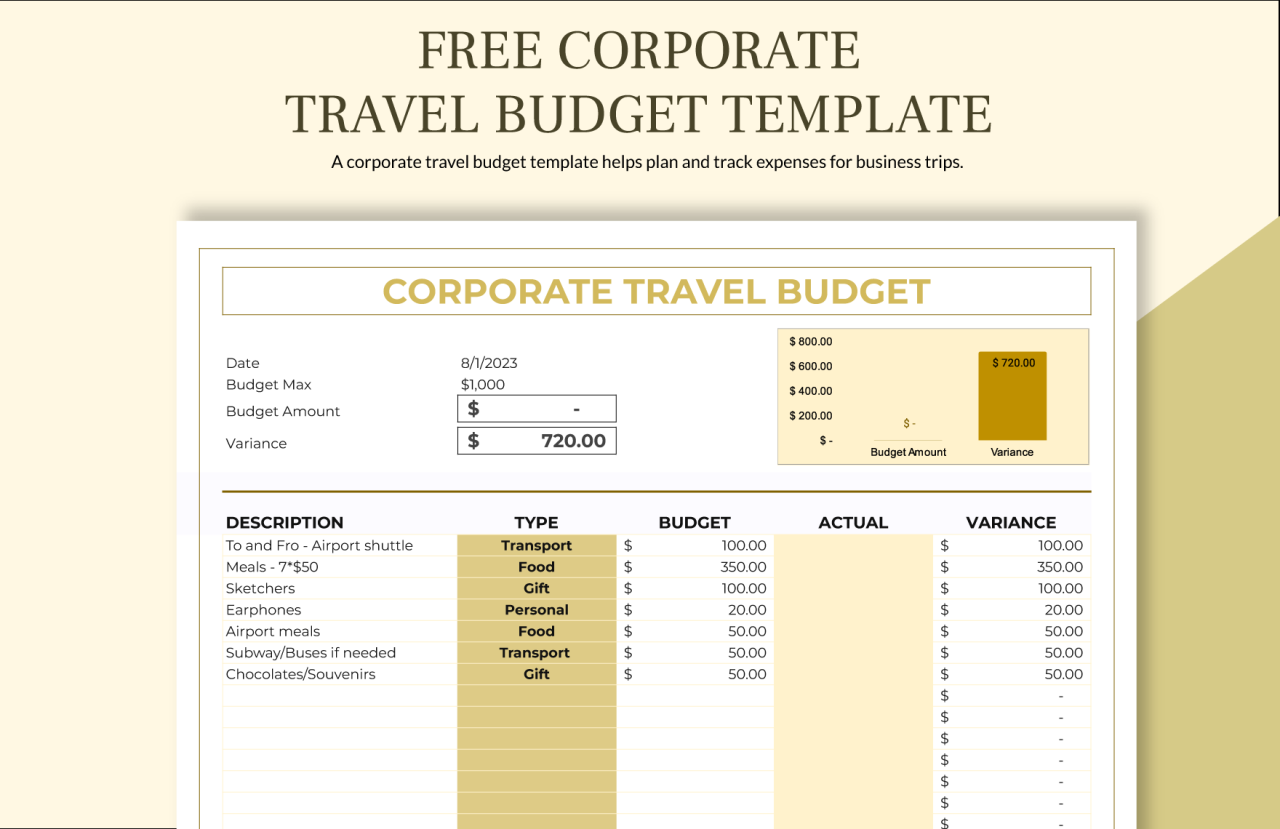 When it comes to securing cost-effective travel options for your corporate travel budget, negotiating with vendors plays a crucial role in achieving savings without compromising on quality. Building long-term relationships with airlines, hotels, and other vendors can lead to discounts and special deals that benefit your company in the long run.
Strategies for Negotiating with Vendors
- Research and compare prices from different vendors to leverage in negotiations.
- Highlight the volume of business your company can provide to vendors to negotiate better rates.
- Consider bundling services or committing to a certain volume of bookings for discounts.
- Negotiate for additional perks or upgrades as part of the deal to maximize value.
Building Long-Term Relationships
- Communicate regularly with vendors to understand their offerings and build rapport.
- Provide feedback on services received to help vendors improve and strengthen the relationship.
- Stay loyal to vendors who consistently provide value to your company to benefit from long-term discounts and deals.
Balancing Cost Savings with Quality
- While cost savings are important, ensure that the quality of services offered by vendors meets your company's standards.
- Consider factors such as reliability, customer service, and reputation when choosing vendors for corporate travel.
- Strive to find a balance between cost-effectiveness and quality to ensure a positive travel experience for employees.
Employee Compliance and Policies
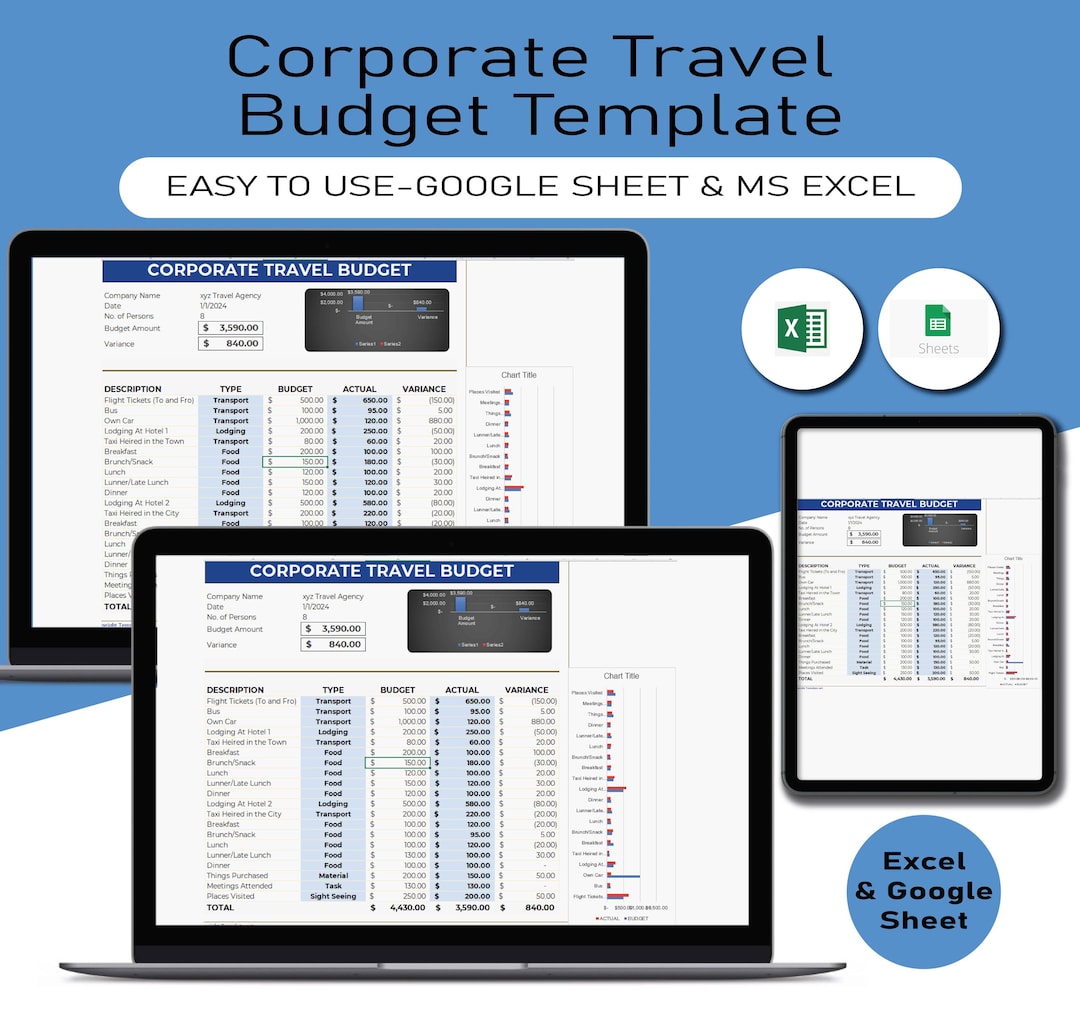 Employee compliance and policies play a crucial role in controlling corporate travel expenses and ensuring adherence to budget guidelines. By implementing clear policies and guidelines, companies can effectively manage costs and prevent unnecessary overspending.
 Common Policy Guidelines
- Set limits on daily meal expenses during travel.
- Require employees to book flights and accommodations in advance to secure the best rates.
- Encourage the use of public transportation or carpooling to reduce transportation costs.
- Specify guidelines for reimbursable expenses, such as receipts and approval processes.
- Define the criteria for booking business class vs. economy class tickets.
Role of Employee Training and Communication
Employee training and communication are essential in promoting adherence to budget guidelines. Providing comprehensive training on travel policies and expense reporting procedures can help employees understand the importance of compliance. Effective communication channels, such as regular updates and reminders, can also reinforce the company's commitment to cost control. By empowering employees with the necessary knowledge and resources, companies can foster a culture of responsible spending and budget awareness.Final Summary
In conclusion, mastering the art of crafting a corporate travel budget that works requires a blend of strategy, analysis, and communication. By implementing best practices and staying adaptable to changing needs, your business can navigate the world of travel expenses with precision and efficiency.
Common Queries
How important is it to establish a clear budget framework for corporate travel?
Establishing a clear budget framework is crucial as it sets the foundation for effective expense management and aligns spending with business objectives.
What are some common policy guidelines that can help manage corporate travel costs?
Common policy guidelines include setting limits on accommodation expenses, defining acceptable airfare classes, and outlining reimbursement procedures.
Why is it essential to negotiate with vendors for cost-effective travel options?
Negotiating with vendors helps secure competitive rates and discounts, ultimately leading to significant cost savings for corporate travel.
How can data analysis optimize budget allocation for different travel needs?
Data analysis allows businesses to identify spending patterns, prioritize budget allocation based on travel requirements, and make informed decisions for future travel planning.
What role does employee training play in promoting adherence to budget guidelines?
Employee training ensures that staff are aware of budget constraints, travel policies, and the importance of cost-effective decision-making during corporate travel.