
Exploring the complexities of sharing expenses during group business travel can be a challenging yet rewarding experience. From setting budgets to navigating payment methods, this guide delves into the intricate etiquette of managing costs in a professional setting.
As we delve further into the nuances of expense sharing, we uncover key strategies and considerations that can enhance collaboration and financial transparency among team members.
Understanding the Protocol
Clear communication is vital when it comes to sharing expenses during group business travel. It is essential to establish guidelines and rules upfront to avoid any misunderstandings or conflicts later on.Common Challenges in Splitting Costs
- Varying budgets and spending habits among group members
- Different interpretations of what constitutes a shared expense
- Unequal distribution of costs leading to resentment
- Lack of transparency in tracking expenses
Etiquette Rules for Fair Expense Sharing
- Discuss and agree on a budget and spending limits before the trip
- Keep track of all expenses and receipts to ensure accurate reimbursement
- Be transparent about individual costs and share information openly
- Avoid overspending or expecting others to cover extra costs without prior agreement
- Communicate openly and address any issues or discrepancies promptly
Establishing a Budget
When planning for group business travel, setting a budget is crucial to ensure that expenses are managed effectively and fairly among all participants. It helps in avoiding any financial strain on individuals and ensures that the trip stays within financial limits.Methods for Setting a Budget
- Discuss with the group: Start by having an open discussion with all participants to gather input on expected expenses, accommodations, transportation, meals, and any additional costs.
- Research costs: Research the destination and estimate the average costs for accommodation, meals, transportation, and any activities or events planned during the trip.
- Create a detailed budget: Break down the estimated costs into categories and allocate specific amounts for each to have a clear overview of the total budget.
Significance of Considering Everyone's Financial Situation
- Ensure fairness: Taking into account everyone's financial situation helps in creating a budget that is reasonable and fair for all participants.
- Avoid financial strain: By considering varying financial capacities, the budget can be set at a level that is comfortable for everyone, avoiding any undue financial burden.
- Promote inclusivity: Creating a budget that considers everyone's financial situation promotes inclusivity and ensures that all participants can fully participate in the trip without feeling excluded due to financial constraints.
Tips on Tracking Expenses Effectively
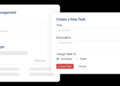
- Use expense tracking apps: Utilize apps designed for tracking expenses to easily record and monitor spending throughout the trip.
- Designate a budget keeper: Assign one person in the group to be responsible for tracking expenses and updating the group regularly on the budget status.
- Keep all receipts: Encourage all participants to keep receipts for every expense incurred during the trip to ensure accurate tracking and accountability.
Payment Methods
In the context of group business travel, choosing the right payment method for shared expenses is crucial to ensure smooth transactions and avoid any financial misunderstandings.Cash
- Pros:
- Accepted almost everywhere
- No need for additional fees
- Immediate transactions
- Cons:
- Risk of loss or theft
- Difficult to track expenses
- Cannot be used for online payments
Credit Cards
- Pros:
- Convenient and widely accepted
- Offers rewards or cashback
- Easy expense tracking with statements
- Cons:
- Potential for overspending
- Foreign transaction fees
- Dependent on network coverage
Payment Apps
- Pros:
- Quick and easy transfers
- Split bills seamlessly
- Accessible through smartphones
- Cons:
- Dependent on internet connection
- May have transaction limits
- Potential security risks
Handling Reimbursements or Outstanding Balances
When it comes to managing reimbursements or outstanding balances within the group, transparency and communication are key. Keep track of all expenses, share receipts or statements, and agree on a timeline for settling any dues. Utilizing a shared spreadsheet or expense tracking app can help streamline the reimbursement process and ensure that everyone is on the same page financially.Handling Different Scenarios
When it comes to group business travel, disagreements and misunderstandings about expenses can arise, causing tension among team members. It is crucial to address these scenarios promptly and effectively to maintain a harmonious trip.Disagreements or Misunderstandings about Expenses
- Communicate openly: Encourage team members to express their concerns and clarify any misunderstandings regarding expenses. Effective communication can help resolve issues before they escalate.
- Review the budget: Revisit the established budget and compare it with the actual expenses incurred. Identify any discrepancies and discuss them with the team to determine the cause.
- Seek compromise: In cases where disagreements persist, aim to find a middle ground that satisfies all parties involved. This may involve adjusting individual contributions or redistributing expenses.
- Document agreements: Keep a record of any resolutions or agreements reached to prevent future misunderstandings. Having a written record can serve as a reference point if conflicts arise again.
Resolving Conflicts Related to Shared Expenses
- Mediation: If disagreements cannot be resolved internally, consider involving a neutral third party to mediate the situation. An unbiased mediator can help facilitate discussions and find a fair solution.
- Set boundaries: Establish clear guidelines for handling conflicts related to shared expenses. Define the steps to be taken when issues arise and ensure all team members are aware of the protocol.
- Focus on the bigger picture: Remind team members of the common goal of the business trip and the importance of maintaining a positive working relationship. Encourage a solution-oriented approach to conflicts.
Addressing Unequal Contributions
- Evaluate individual circumstances: Understand that not everyone may be in a position to contribute equally to shared expenses. Consider factors such as financial constraints, personal preferences, or unexpected expenses.
- Encourage transparency: Create a safe space for team members to openly discuss their financial situations and any challenges they may be facing. Foster a supportive environment where individuals feel comfortable sharing their concerns.
- Redistribute responsibilities: If some team members are unable to contribute as much financially, consider reallocating other responsibilities during the trip. This can help balance out the contributions and ensure everyone feels valued.
Wrap-Up
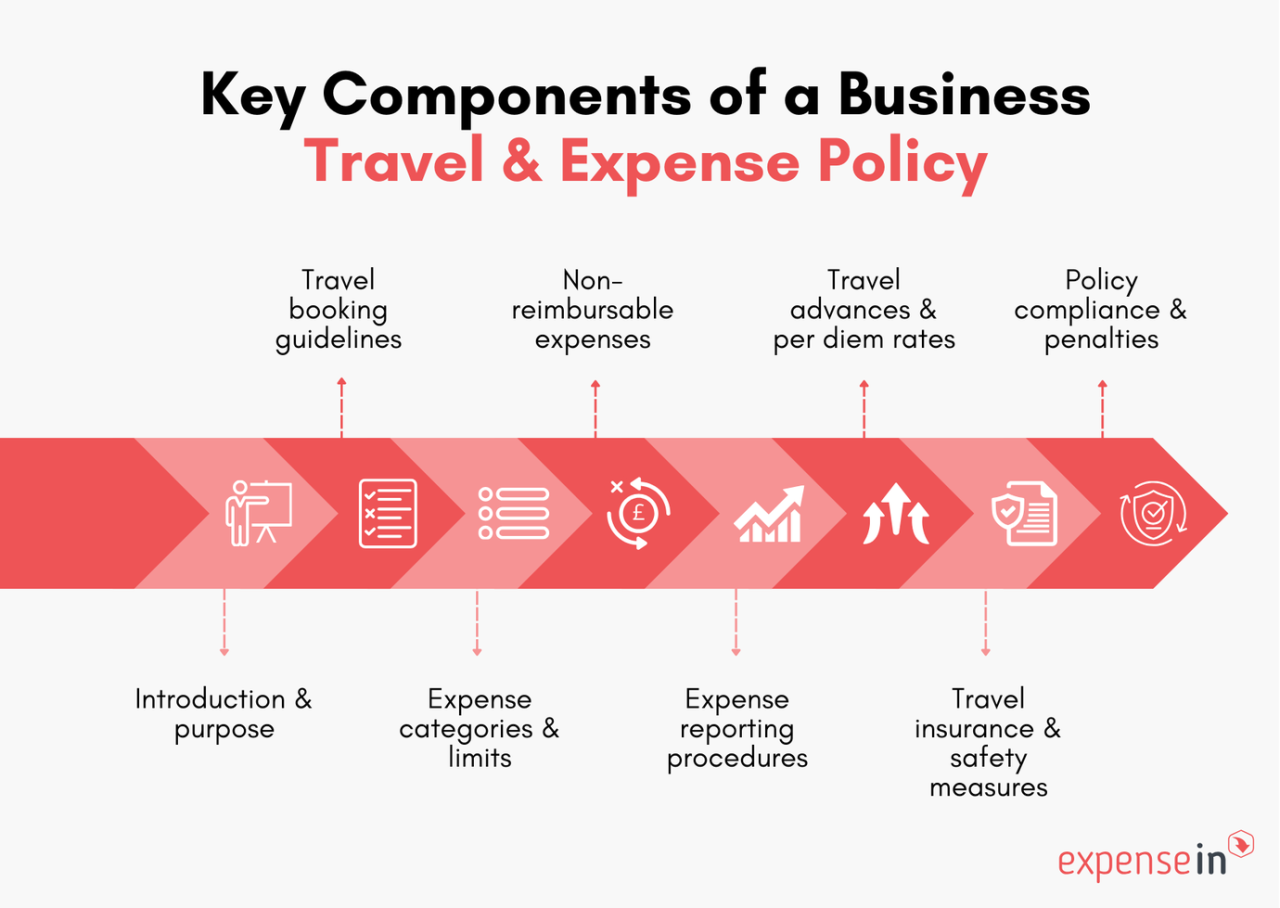
In conclusion, mastering the etiquette of sharing expenses during group business travel is not just about financial matters; it's about fostering trust, communication, and teamwork. By adhering to the guidelines Artikeld in this discussion, individuals can navigate shared expenses with grace and professionalism, ensuring a seamless and harmonious travel experience for all.
FAQ
How important is clear communication in sharing expenses during group business travel?
Clear communication is crucial to avoid misunderstandings and ensure fairness in expense sharing. It helps in setting expectations and resolving conflicts proactively.
What are some effective methods for tracking expenses during a business trip?
Utilizing expense tracking apps, maintaining digital receipts, and assigning a designated person to oversee expenses can help track costs efficiently.
How can disagreements about expenses be resolved within a group?
Open communication, willingness to compromise, and referring back to the established etiquette rules can aid in resolving disagreements and maintaining harmony within the group.